
When your property is not connected to mains sewage, a septic tank is the ideal solution — self-sufficient, environmentally friendly, and cost-effective. However, if your tank is not emptied often enough, it can cause a variety of very unpleasant (and expensive!) problems, including damage to your property and exposure to potential health risks. In this blog, the TWC team explain what we mean by a “full” septic tank, how you can identify the issue, and what you will need to do to get your tank running smoothly again.
What Does a “Full” Septic Tank Mean?
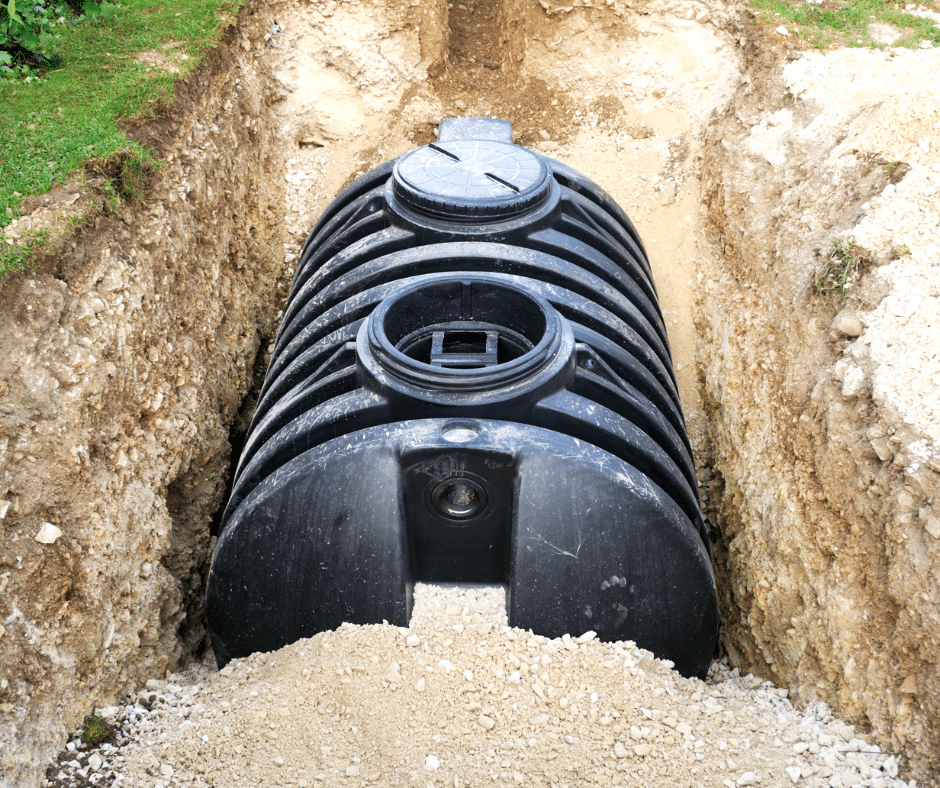
So, your septic tank technician told you that your tank is “full” — but what does that actually mean? To answer that, we need to give you some context about how a septic tank works. When you flush the toilet or pour water down your drains, that waste then enters your septic tank. The tank works by separating the waste into three layers; solid waste settles at the bottom of the tank (we call this layer “sludge”), water rests above it, and oil, fat and grease (“scum”) floats at the very top. Microorganisms in the tank then break the waste down in a safe and eco-friendly way.
Now that we have given you a brief overview of the functions of your septic tank, we can explain why it is “full”. We use the word “full” to describe a septic tank that is at capacity, but not overflowing — it will still be working properly, with waste entering and leaving the tank appropriately, but it will require emptying in the immediate future. You might also hear the term “full septic tank” being used to describe a tank that has accumulated too much sludge, which again will still function but will require emptying. As a rule, your sludge layer should not exceed 30% of your tank in order for the system to work properly.
There are many reasons that a septic tank may become full. If you find that your tank requires frequent pumping (more than once a year), it may indicate that your tank is too small for the volume of water that your property requires. A family of five will require a much bigger tank than someone living alone, for example. Household water usage in general can also cause the tank to fill up, because septic tanks are far more easily overwhelmed than mains sewers. If possible, you can try to avoid this by spacing out your water usage in the day, such as not running the dishwasher and the washing machine simultaneously and avoiding the whole family using the shower in a short space of time.
Sometimes, the pipes leading to or from your septic tank may become clogged, which can cause symptoms that mimic a full tank. Thankfully, a clog is often an easy fix. If you notice any issues with your septic tank, get in touch with TWC — our expert engineers can use CCTV drain surveillance to find the issue, and use the latest drain equipment to fix it. Whether you require some simple high-pressure drain jetting to clear an inlet pipe, or for your tank to be completely pumped, we are happy to help.

Safety Considerations Before Inspection
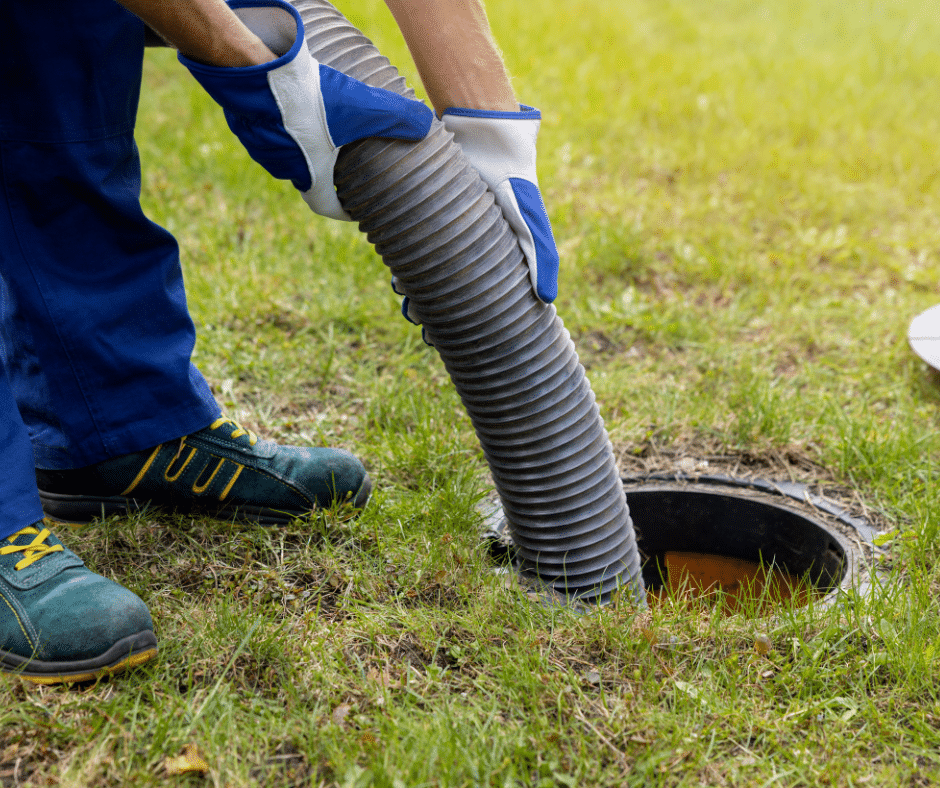
If you suspect that your septic tank is full, visually inspecting it can help you to identify the problem. However, you should take precautions before approaching your tank, as there are several potential hazards. Always wear protective breathing equipment when opening a septic tank — there can be toxic gases collected inside, which can be harmful to human health. You should also be extremely careful around the edge of the tank, and never approach a septic tank alone.
When your septic tank is not functioning as it should, calling a professional is the easiest and safest way to resolve the issue. If you are not sure what to look for in your tank, or simply want an expert opinion, the TWC team are always happy to assist you. Our engineers carry out fully-guaranteed work with no call out fees and will explain any septic tank issues in a simple and approachable manner to make sure you are fully informed.
7 Key Signs Your Septic Tank Is Full
When the TWC Draincare team receive a call to deal with a full septic tank, it is normally because the customer has noticed at least one of the following signs. If you keep an eye out for these symptoms of a full septic tank, you can catch it early and make sure that it is dealt with by the professionals before any serious issues arise.
1. Pooling Water
If your septic tank is full, you might notice surface water pooling near the tank, or on the drainage field. Once the tank is full of solid waste, the sludge at the bottom of the tank moves into the drainage pipes, preventing water from being filtered away. As a result, excess water enters the drainage field and accumulates around the tank. If the pooling is sewage, rather than water, your tank may be completely overflowing.
2. Unpleasant Odours
A properly functioning septic tank should not produce any odours. If you notice a foul smell around your tank or coming from your drains, it is a sign that your tank may be full, or that there may be another problem that requires action. The reason that a full septic tank might smell bad, but an emptier tank will not, is that the gases produced within the tank cannot effectively escape when it is full. This can cause them to flow back through your pipes and out of your drains or sinks, leading to an unpleasant smell.
3. Slow Drains
If your toilet bowl is emptying slowly after flushing, your shower is backing up when you use it rather than draining efficiently, or your sink appears to be backed up, your septic tank may be full. A problem with just one fixture can be a localised issue, like a blockage or a worn-out part that requires replacement — but if multiple fixtures are affected, you should check your septic tank.
4. Healthy, Lush Grass Over the Septic Tank
The grass above your septic tank will normally be slightly healthier or greener than it is on the surrounding land — this is because septic tanks provide both moisture and organic fertilisation! If this patch of grass is a much brighter green or far healthier than the surrounding vegetation, however, this can be a sign that the septic tank underneath is full. The overflowing or leakage from a full tank can fertilise the soil above the tank, leading to a patch of extremely healthy grass that serves as a convenient warning sign.
5. Sewage Back-up in the Home
It is extremely rare that this happens without any warning or other symptoms first, but if your septic tank is full, the raw sewage can back up through the pipes and enter your home. Should this happen, please contact a professional immediately — raw sewage is a health hazard, and flooding can cause serious structural damage to your property. If this does happen, avoid flushing any toilets or putting anything down the drains, do not use any water in the home, and give the TWC team a call.
6. Gurgling Sounds in Pipes
Are your pipes making gurgling sounds? It might be a sign that your septic tank is too full. A full septic tank does not work as effectively, leading to a build-up of water that causes gurgling noises throughout your pipes. When your tank is full, the sludge layer at the bottom can also cause clogs and blockages in the pipes, stopping air from properly escaping and leading to the gurgles that you might hear when you run a tap or flush the toilet.
7. Trouble Flushing Toilets
Alongside the signs mentioned above, you may notice that your toilet is not flushing properly. When you flush the toilet, the waste, toilet paper and water move through your plumbing and enter the septic tank. If the tank is full and the pipes are backing up, there is nowhere for the contents of the toilet bowl to go when you pull the flush. This can cause clogs, or it can even back up into nearby sinks or drains.
What Happens if Your Septic Tank is Full?
There are a whole variety of risks associated with ignoring a full septic tank — to your property, your health, and the wider environment! These include:
- Structural damage to buildings and foundations due to overflowing sewage and excess water
- Pollution and environmental damage to the surrounding area
- Health issues due to contact with sewage, environmental contamination, or sewer gases such as hydrogen sulphide and methane
- Expensive repairs required later
- Environmental fines and penalties
- Contamination of water sources, such as nearby rivers
- Over a prolonged period, a neglected full septic tank can even cause the value of your property to depreciate!
DIY Septic Tank Checks vs. Hiring a Professional
Pros and Cons of DIY Inspection
Most septic tank maintenance should be left to the professionals for safety reasons. However, you can contribute to this maintenance by using best practices, like avoiding harsh chemicals that can kill the vital microorganisms within the tank. You should also regularly check your drains and the area around your septic tank for the symptoms of a full tank that we have outlined in this blog — the earlier you catch the issue, the easier it will be to rectify.
Benefits of Professional Services
Working with drain care experts like TWC offers a whole range of benefits. The first is safety — septic tanks can be dangerous, and our experienced engineers can drain and maintain your tank whilst adhering to all the necessary guidelines and precautions.
Septic Tank Emptying and Maintenance Tips
Maintenance Frequency
Your septic tank should be emptied regularly by a professional to keep it functioning at its best. The frequency that your tank will need emptying depends on several factors, including the size of the tank and how many people are using your property. Generally speaking, a tank should be emptied once a year.
Preventative Measures
There are good habits that you can maintain to prolong the efficiency of your septic tank. Using water efficiently and avoiding overloading ensures that your tank does not become full too quickly. This means that you should try to average out the water that is entering the tank throughout the day — for example, in a family of four, two people could shower in the morning and two at night to avoid high volumes of water entering the tank in a short period. You can also use bathwater to water your plants, run the dishwasher only once a day, and avoid the excessive use of detergents.
Common Mistakes to Avoid
To keep your septic tank functioning properly, it should only ever receive water, toilet paper, and human waste. Please avoid flushing wipes, sanitary products, and kitchen grease or oil — all these items can build up in your tank, disrupting the layer separation and bacterial population that allow it to work. You should also limit the use of bleach and anti-bacterial cleaners wherever possible, as these harsh chemicals can wreak havoc on the microorganisms in your tank. If you would like to find an alternative, there are plenty of products designed to clean your home without damaging your septic tank, like enzyme-based cleaners.
Septic Tanks with TWC
The TWC team are here to help answer all your questions about off-mains systems. Our friendly and efficient engineers carry out fully guaranteed work using the latest equipment — they can even assess your septic tank system for compliance under the new “general binding rules” introduced in 2015.
When was the last time you had your septic tank checked by a professional? You can call us here to schedule an assessment visit from the TWC team, and we will be happy to assist you.