

This winter, the only unexpected presence in your home should be Santa Claus — but if the weather outside is frightful, the contents of a burst water pipe could cause a huge amount of damage!
As water freezes, it expands, meaning that the water in your plumbing can cause leaks and splits in the pipes if it gets too cold. Ice can also block up your pipes, leading to a lack of fresh water, or an inability to properly drain away the water that your appliances and fixtures use. So, how can you avoid a drain care disaster this winter? In this blog, the TWC team will give you all the information you need to prepare your plumbing for a cold snap.
Why Draining Water Pipes for Winter is Important
Prevention of Frozen Pipes
The pipes that supply and remove water around your home are designed to cope with a specific volume of water. When the temperature drops, the contents of the pipes expand because ice is less dense than water, putting pressure on the system and potentially causing the pipes to burst.
Avoid Costly Repairs
A burst pipe can be stressful, expensive, and frustrating. Depending on where the leak is coming from, you may need to remove part of a wall or floor to get to the problem in order to fix it. Water damage can also lead to mould growth, and (in extreme cases) structural damage to your property. You may even need to rent industrial dehumidifiers or mechanical pumps to remove excess water in the event of flooding.
Maintain Water Efficiency
Winter-proofing your pipes is an excellent investment, not just for the colder months but all year round! It can make your water usage more efficient and reduce the risk of leaks in the future.

Tools and Materials Needed
Before you start preparing your pipes for winter, you will need to gather some supplies. You will need:
- A wrench
- A sturdy pair of pliers
- A bucket
- Pipe insulation
- A garden hose
- Old towels (for catching any excess water)
You may also wish to wear eye protection and a thick pair of gloves, for safety purposes.
Preparing to Drain Your Water Pipes
Now that you have collected the materials that you need, you can follow the steps outlined below to prepare your water pipes to be drained.
- Turn Off the Main Water Supply
- In order to turn off the water supply to your property, you need to locate your stopcock. This is a valve that is normally located under the sink in your kitchen, or in a utility room. Turn the valve slowly clockwise to shut off the flow of water. It might be quite stiff, but please be careful and do not put excessive pressure on the valve!
- Open All Faucets
- Now that nothing can enter your pipes, you need to empty the residual water. Start with the taps and toilets on the highest level of your property — flush the toilets to remove as much water as possible and open the taps until they run dry.
- Shut Off Outdoor Water Supplies
- To make sure that your property is protected both externally and internally, you should also disconnect your garden hoses and drain your outdoor taps, as external pipes are subject to lower temperatures than those inside the house. If you have any external water valves, be sure to shut them off by turning them clockwise using a wrench or pliers.
- Consider Appliances Connected to Water
- It is also advisable to drain appliances that are connected to a water supply, like your washing machine, dishwasher, and ice maker. You can do this by locating the drain hose of each appliance (if you are unsure of where this is, you can consult the manual for the product) and emptying any standing water into a bucket to be discarded.
Step-By-Step Guide: How to Drain Water Pipes for Winter
Now that you and your property are prepared, the TWC team have put together step by step instructions on winterising your pipes that you can follow. Read on to find out more!
- Shut Off the Water Supply
Make sure that the water supply has been turned off by following the steps above to locate and turn the stopcock. If you are struggling to locate or turn the stopcock, you may be able to turn off the water supply to your property using an external stop valve, which is located underground either beside your water meter or in the street outside your property. Please note that an external stop valve is likely to turn off the water supply to your neighbours, too, so you should inform them before you need to carry out any plumbing maintenance.
- Drain Water from All Faucets and Fixtures
Starting from the top of your property, you should drain the water from your faucets and fixtures. Turn on your taps, flush any toilets, and drain appliances that connect to the mains water supply. This ensures that as much standing water is removed from your plumbing as possible.
- Empty the Water Heater (If Necessary)
If you need to empty your water heater, you should exercise caution, as there is a risk of scalding. Turn off the shut-off valve at the top of the tank and turn off the power to the water heater. Leave the heater to cool down for at least a few hours, or ideally overnight, to avoid injury. Then, place one end of a hose either into a drain or outside, and attach the other end to the drain valve on your heater. You can speed up the draining process by turning on a hot water tap on the floor above the heater. Before you remove the hose and close the drain valve again, flush the tank through with cold water to remove any sediment, and wait for it to drain fully.
- Blow Out Excess Water (Optional)
If you are struggling to completely remove the water from your pipes, you could use an air compressor — this is only necessary if you are going to be leaving the property for a prolonged period of time. Make sure that your water heater is empty and turned off to avoid burning it out, and remove as much water as possible from each faucet before you start. Then, you can insert the nozzle of the air compressor into the faucet to create a seal. Turn on the compressor to force air through the system and push the water out.
- Close All Faucets and Ensure the System is Dry
Once you are satisfied that your pipes are drained, you can close all the faucets once more.
Tips for Winterising Your Pipes Beyond Draining
There are some additional precautions that you can take to protect your plumbing from freezing this winter: the TWC team have outlined them below.
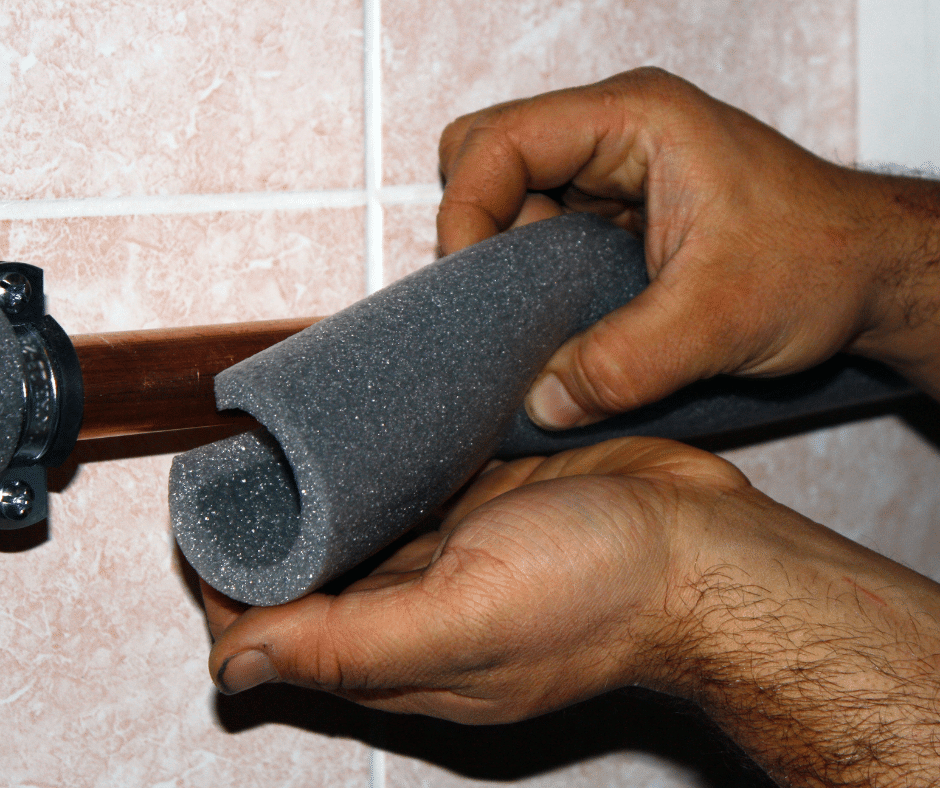
- Use Pipe Insulation
- Pipe insulation works by reducing heat loss, meaning that the water inside your pipes is less likely to freeze. There are many different types of insulation that you can purchase and fit yourself with relative ease — the most common is polyethylene, which comes in tube shapes that can slide onto exposed pipes. Polyethylene insulation also helps to prevent moisture absorption.
- Keep the Heat On
- Try and keep the temperature in your property above 16 This helps to keep the pipes inside the walls above OC, to avoid the water inside them freezing. Remember that it is colder inside the walls than it is in the middle of the room.
- Seal Gaps and Cracks
- Whilst a cold breeze can be annoying to those living or working in the property, it can be catastrophic for your plumbing. Sealing gaps and cracks can not only make your property more energy efficient, but ensures that the temperature remains consistent, minimising the risk of pipe damage.
- Regular Checks During Winter
- During the winter, you should periodically check around the property for any signs of freezing or leaks. If you notice any standing water, damp patches, mould growth or other concerning signs, please contact the TWC team as soon as possible so that we can investigate for you.

Common Mistakes to Avoid When Draining Water Pipes
Not Shutting Off the Main Water Supply Fully
If you do not properly shut off the main water supply before you attempt to drain the pipes, more water can enter, meaning that you will need to start the whole process again. If you are struggling to turn off the water supply to your property, please consult an expert like our TWC engineers — excessive force applied to a stopcock can cause damage, but we have the right tools to successfully shut off your water if required.
Forgetting to Drain Outdoor Pipes
Outdoor pipes are subject to the most extreme temperatures of all your plumbing fixtures, so leaving them full of standing water is incredibly risky. Do not forget to drain them, or they could cause significant external damage to your property!
Rushing the Process
These instructions have been put together by TWC Draincare experts to help you protect your property. Whilst draining your pipes can be a labour-intensive process, we want to encourage you to follow each step closely to ensure that your plumbing is ready for white (or rainy!) Christmas.
Talk to TWC!
At TWC, we offer 24/7 emergency call outs with no call out fees, and all of our work is completely guaranteed. If you find yourself in a drain emergency this winter, or you would like expert support in winter-proofing your pipes, you can contact our team here and we will be happy to assist you.