


A “rotten egg” smell in your bathroom is both unpleasant, and stressful, if you can’t identify the cause. Most of the common causes of sewage smells in the home can be easily identified and fixed. But if you’re wondering “why does my bathroom smell like sewage” – we have the answers.
In this article, our experts within the TWC Draincare team have put together a list of the most common causes of sewage smells. Read on to find out how to identify the problem, fix it, and when to call the professionals.
- Identify the Cause: Sewer smells in your bathroom are often caused by issues such as dry P-traps, clogged drains, or damaged vent pipes. Understanding these common causes is key to addressing the problem quickly.
- Health Risks: Sewer gases, including methane, hydrogen sulphide, and ammonia, can pose health risks if left unchecked. Prolonged exposure to these gases can lead to irritation, nausea, or more serious respiratory problems.
- DIY Fixes: Simple solutions, like refilling dry P-traps or unblocking drains, can often eliminate sewer odours. However, if the problem persists, professional help may be necessary.
- Call a Professional: If you cannot identify or fix the issue, contacting experts like TWC Draincare ensures your home remains safe, odour-free, and protected from harmful gases.
The Basics of Sewer Smell in Bathrooms
One of the most common causes of these odours is a malfunctioning P-trap. Understanding how the P-trap works, and why it’s essential, can help prevent foul smells and protect your home from potentially harmful gases.
How the P-Trap Works
The P-trap is a section of pipe, shaped like the letter U, that stops sewer gases and foul odours from entering your home. Every time you flush the toilet, run the shower, or turn on the tap, some of the water is retained in the curve of the P-trap to form a barrier.
The Importance of the P-Trap
Without a P-trap, sewer gases would be able to flow freely back through your plumbing and into your home. Not only does it smell disgusting, but this mixture of gases can include carbon dioxide, methane and hydrogen sulphide — all of which can be harmful to your health.

Common Causes of Sewage Smell
1. Dry P-Trap
Sometimes, in particularly dry weather or if the bathroom has not been used recently, a P-trap can dry out and allow sewer gases to leak back into the home. This is most common in winter, or after a period of disuse, for example when returning from holiday or if a property has been vacant for a period of time.
2. Shower Drain Clogs
A clogged shower drain can lead to standing water in the drain or the base of the shower, which can smell deeply unpleasant and often mimic the egg-like odour of sewer gas.
3. Damaged Fittings
If your toilet or sink has been damaged this can cause minute amounts of waste to become trapped or leak, which can cause nasty odours. Some damage is more obvious but sometimes there can be damage which is not initially visible, for example a hairline crack, so it may be necessary to make a closer inspection.
4. Broken, Clogged, or Poorly Installed Vent Pipes
One of the key functions of a vent pipe is to direct sewer gases out of your plumbing, ensuring that they do not enter the home or build up dangerously in the pipes. If your vent pipes are somehow damaged or have been poorly installed so there is inadequate ventilation, they may be allowing sewer gas to enter your home.
5. Bacteria Build-Up in Pipes
If bacteria begin to build up in your drains, the resulting smell can cause sewer-like odours. There are many safe and affordable products that you can use to combat an overgrowth of bacteria in your plumbing; just be sure to follow the instructions on the label carefully, and never mix bathroom cleaners.
6. Septic Tank Imbalance
Septic tanks provide a solution to properties that are unable to connect to main sewer lines. They do require regular maintenance, including emptying or waste can back up into drain lines. This can be a cause of unpleasant smells. Septic tanks are designed such that the bacteria from waste breaks down naturally, if harsh chemicals (such as bleach) are used this can upset the balance of the bacteria in the tank which can then give off foul smells.
7. Sewer Backups in Mainline
The mainline is the pipe that connects your entire household’s plumbing to the mains sewer network. If it becomes clogged, it can cause a backup of waste and gases to enter your home and cause a sewage smell. In situations like this the water authority should be responsible for clearing the blockage to the main line.
8. Leaks in Pipes or Seals
If there is a leak in a pipe or seal that holds sewer gases, some may escape into your bathroom. Inspect all visible pipes for cracks or damage, and if you suspect an issue deeper in your plumbing, call our experts at TWC Draincare and we can inspect the drains with our CCTV drain equipment to identify any underlying defects that may be causing issues.

Health Implications of Sewage Smell in Bathrooms
At TWC Draincare, we regularly deal with bathroom emergencies of all kinds. We know how disruptive a sewage smell can be and recognise the potential health implications of leaving it untreated. We have helped countless clients solve the problems associated created by sewer gases and smells in their homes.
Is a sewage smell dangerous or harmful?
Depending on the cause, a sewage smell can be dangerous.“Sewer gas” is actually a mixture of gases, including methane, ammonia and hydrogen sulphide. Some of these gases are toxic, and others (like carbon dioxide) can cause suffocation or poisoning in high enough concentrations. While the foul odour itself is unpleasant, prolonged exposure to these gases can pose health risks.
- Hydrogen sulphide: Even in small concentrations, hydrogen sulphide, which smells like rotten eggs, can cause irritation to the eyes, nose, and throat. In higher concentrations, it can lead to headaches, dizziness and nausea. In extreme cases, hydrogen suplhide exposure can lead to unconsciousness or respiratory problems.
- Methane: Methane is odourless and less immediately irritating, but it can displace oxygen in the air. This can lead to suffocation in high concentrations. Methane is also highly flammable, posing a risk of explosion.
- Ammonia: Ammonia can irritate the eyes, skin, and respiratory system, particularly in individuals with respiratory conditions such as asthma.
Occasional brief exposure to sewer smells may not cause serious harm. Persistent or strong sewage odours should be addressed promptly to avoid health risks and further plumbing issues. If you can smell sewage gas, you should quickly eliminate possible causes and then call a professional, like TWC Draincare, to investigate further.
Easy Fixes and DIY Solutions
There are some simple DIY solutions that you can attempt in order to get rid of a sewage smell in your bathroom before calling a professional.
Check and Maintain the P-Trap
A quick fix for a dry P-trap is to pour a few buckets of water down the drain, or flush the toilet a few times, to ensure that there is an adequate level of water caught in the trap.
You can inspect your P-traps by placing a bucket underneath the pipe, carefully unscrewing the fixings holding the P-trap in place, and sliding the trap downwards to remove it. Empty the contents of the trap into the bucket, check for any blockages, and then reattach the cleared trap. Refill the trap by running the tap or flushing the toilet a couple of times. You can also add a couple of drops of mineral oil to your P-traps to help prevent them drying out.

Unclog the Drains
Unblocking a drain can remove standing water and lower bacteria levels, avoiding an unpleasant smell that mimics sewer gases. Depending on the size and cause of the blockage, you may be able to clear it using an enzyme or chemical drain cleaner. If not, the appropriate equipment may be a plunger or a drain snake. See our recent blog on unclogging a blocked drain for step-by-step instructions on each of these methods.
Inspect for Toilet Damage
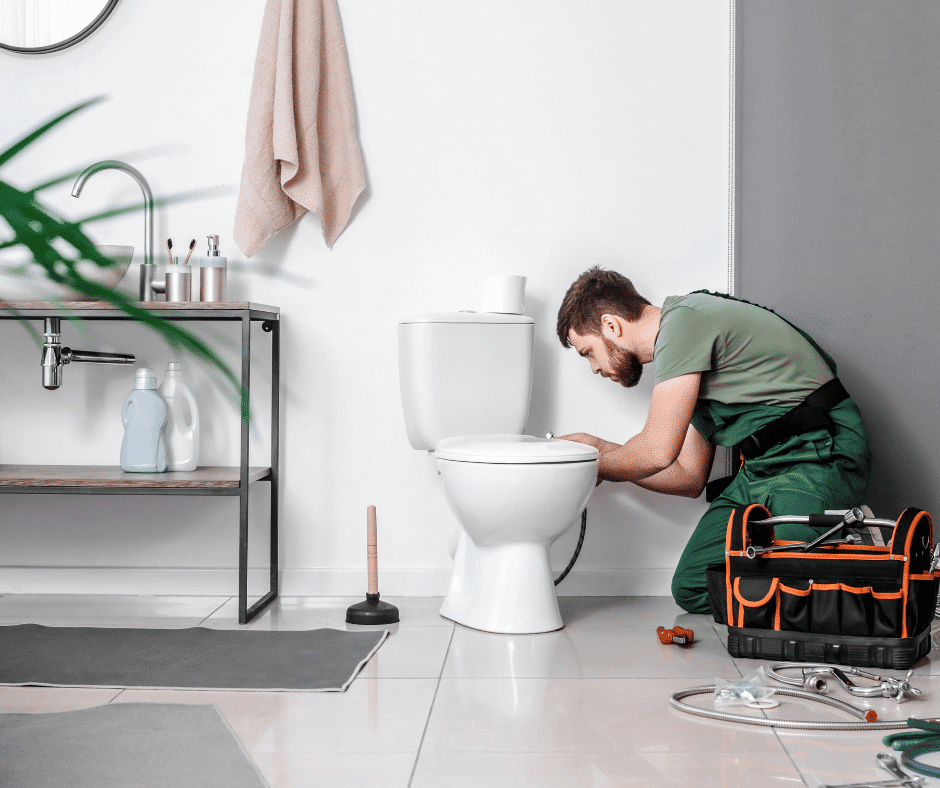
If you suspect that your toilet has been damaged, you should inspect it visually for cracks, and then attempt to gently rock the toilet from side to side. If it is properly sealed to the floor, it should not move at all — if it shifts, you will need to remove the toilet and identify the problem part that needs replacing. It is likely to be your wax seal, which holds the toilet securely to the floor when functioning properly.
Ventilation and Pipe Inspection
If your vent pipes appear blocked, call TWC Draincare. Our highly qualified engineers are equipped to inspect and unblock your vent pipes, ensuring that sewage gases can be safely removed from the home. We pride ourselves on our record of outstanding customer service, and our team are always happy to answer any questions you might have.

When to Call a Professional
If you have tried DIY fixes and the sewage smell persists, you need to contact a professional immediately. Our TWC Draincare engineers can use CCTV drain surveillance to inspect your pipes. Our engingeers then use this information, combined with years of specialist experience, to identify and rectify the problem. We never charge a call-out fee, and we offer rapid response times. Our drain unblocking and drain repairs specialists cover many locations across the UK including:
Preventing Future Sewage Smells in Your Bathroom
There are several best practices when it comes to maintaining your bathroom that are recommended by us here at TWC Draincare: the following methods can help to avoid sewage smells in the future, and keep your plumbing functioning smoothly.
Preventing Clogs and Bacteria Build-Up
- Routine Drain Cleaning
- Cleaning your drains regularly can prevent the build-up of soap scum, hair and debris, which lessens the likelihood of a clog. It also limits the growth of bacteria, which can contribute to a sewage smell. Using a drain guard to catch hair, using natural cleaners like baking soda and vinegar, and pouring boiling water down your drains once a month are all good habits that can protect your pipes.
- Avoid Pouring Fats, Oils, or Grease Down Drains
- Please never pour fat, oil or grease down your drains — these materials harden in your pipes, causing stubborn clogs that often smell foul. The best way to dispose of these materials is to save empty butter tubs or milk bottles, allow the cooking waste to cool, and then pour it into one of the containers and throw it into the bin.
- Regularly Flush Drains with Hot Water
- Flushing your drains with hot water at least once a week help to dissolve soap scum, prevent the build-up of clogs, and flush out any bacteria.
- Use of Enzyme-Based Cleaners
- Enzyme-based cleaners are much better for the environment than harsher chemicals and are effective against the organic matter that typically clogs drains and causes odours. Using them in your bathroom cleaning routine is an eco-friendly way to avoid sewage smells.
- Maintaining Ventilation
- Properly ventilating your bathroom helps to avoid moisture accumulation, which can lead to the growth of mould and bacteria. After a shower, always turn on an extractor fan or open the windows to quickly lower the humidity levels and avoid microorganism overgrowth.
Regular Septic Tank Maintenance
- Importance of Septic Tank Maintenance
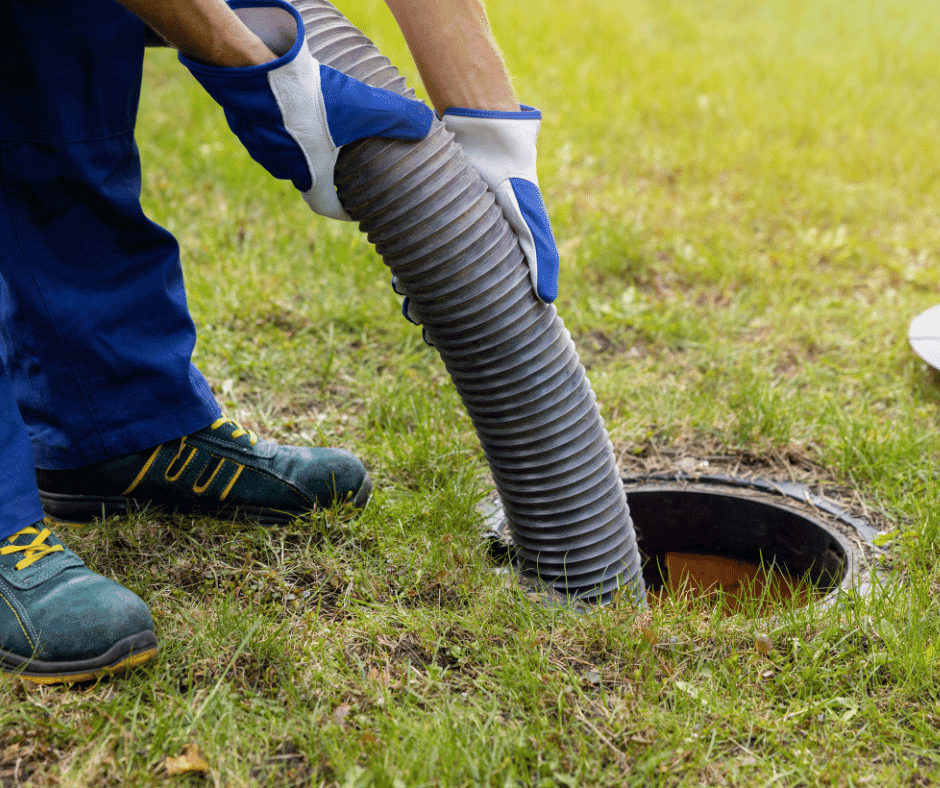
- Your septic tank requires maintenance to function at its best. Inspect it regularly for leaks and ensure that the only materials entering the tank are human waste and toilet paper. Harsh chemicals and unsuitable materials can hinder the function of the bacteria that maintain your tank.
- How Often to Empty a Septic Tank
- The average septic tank should be emptied every 1-2 years, but this is dependent on the size of your household and your tank usage. Overusing water (frequent long showers, excessive laundry etc.) can fill your septic tank more quickly, requiring more maintenance.
- Signs That Your Septic Tank Needs Attention
- A full tank will typically cause a variety of noticeably intrusive symptoms, such as gurgling sounds in your drains, appliances like your washing machine running very slowly, and your toilets flushing sluggishly.
- Professional Inspections
- Septic tank maintenance should always be done by a professional. If you have any concerns, contact the experts — a TWC Draincare engineer can put your mind at rest, and deal with any problems that may arise. We will inspect your tank for any leaks or blockages, identify potential problems, and ensure that your plumbing continues to run smoothly.
Frequently Asked Questions (FAQs)
Why does my bathroom randomly smell like sewage?
There are lots of reasons that could cause your bathroom to smell like sewage, including dry P-traps, damaged vent pipes, and a full septic tank.
Can sewer gas come up through drains?
If all of your plumbing is working correctly, no. Your pipes feature carefully designed prevention methods, like P-traps and wax seals, to protect you and your home from sewer gas. If sewer gas is entering your home, one of these protective fixtures is likely to need repairing or replacing.
Why does my bathroom smell like sewage but no leak?
If you are experiencing a sewage smell without a gas leak, it is likely due to bacteria or a clogged drain. Follow the steps we have outlined in this blog to combat these issues, and your sewage smell should disappear.
How do I get rid of a sewer smell in my bathroom?
Work carefully through the fixes that we have recommended in this blog — if you still have a sewer smell after they are completed, get in touch with TWC Draincare. You may have a further plumbing problem that requires our professional equipment and knowledge to diagnose and then fix.
Is a sewage smell in a bathroom dangerous?
Sewer gases can be toxic, so a sewage smell in your bathroom should raise concerns. Prolonged exposure to sewer gases can cause nausea, headaches, and even drowsiness, so if you are experiencing any symptoms after noticing a sewage smell, please contact a professional immediately.
How to avoid bad smell in the bathroom?
Regularly maintaining your drains and checking your bathroom for damage or wear and tear is the best way to avoid bad smells appearing unexpectedly.
Summary
If the DIY methods we’ve listed here don’t resolve your sewage smell problem, you’ll need to contact a professional. Our draincare team has access to specialist equipment, that can repair your plumbing damage without causing any further harm. We can identify issues deep underground, change parts, give expert advice, and resolve your problem. If you can smell sewer gas, your health may be at risk. You can trust TWC Draincare to avert a crisis, efficiently and considerately.
For support on dealing with the sewage smell in your bathroom, you can contact us here.