

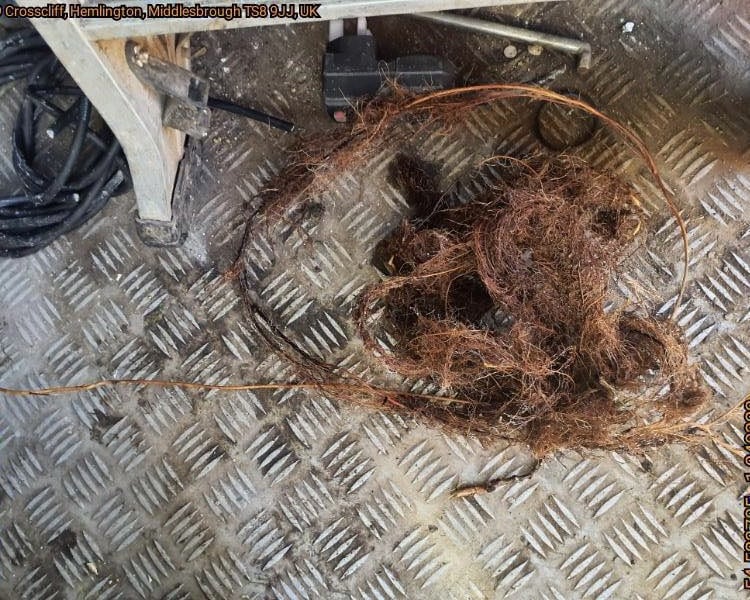
Trees are great. They look good, provide shade and make outdoor spaces more pleasant. Unfortunately, when it comes to drainage systems, tree roots can be far less friendly.
Root ingress is one of the most common causes of recurring drainage problems the team at TWC Draincare see in both domestic and commercial properties across the North East, Yorkshire and Lincolnshire, and it often goes unnoticed until things start backing up.
TL;DR:
Tree roots are naturally drawn to drains because they contain water, nutrients, and warmth. Even tiny cracks in pipes let roots in, where they grow and cause blockages, slow drainage, bad smells, and potential structural damage. This is common in both homes and commercial properties, especially with older pipes or nearby trees.
Early signs include frequent clogs, slow drains, gurgling sounds, and localised flooding. If ignored, the problem can worsen into costly repairs or full pipe replacement.
Solutions provided by TWC Draincare involve inspecting drains (often with CCTV), removing roots, clearing debris, repairing or lining pipes, and maintaining systems to prevent regrowth.
Bottom line: Tree root damage is common but manageable, catching it early saves money, disruption, and bigger repairs later.
Why Are Tree Roots Attracted to Drains?
Drainpipes carry water, nutrients and warmth, exactly what tree roots are searching for. Even the smallest crack, joint or weakness in a pipe can allow fine roots to find their way in. Once inside, they continue to grow, gradually expanding and causing blockages, restricting flow and eventually structural damage.
This can happen in:
- Domestic gardens with mature trees or hedges
- Older properties with clay or pitch fibre pipes
- Commercial sites with landscaped grounds, car parks or green spaces
The problem isn’t the tree itself, it’s what happens when roots and pipework meet.
Warning Signs of Root Damage
Root-related drainage issues often build up slowly. Common signs include:
- Frequent or recurring blockages
- Slow-draining sinks, toilets or gullies
- Gurgling noises from pipework
- Bad smells around drains or manholes
- Localised flooding after rainfall
For commercial properties, these issues can quickly escalate into tenant complaints, hygiene concerns or disruption to operations.
Domestic vs Commercial Impact
In domestic settings, root ingress often affects shared drains or garden pipework, causing repeated inconvenience and unexpected repair costs for homeowners. In commercial environments, the stakes are higher. Root-damaged drains can impact multiple units, disrupt customer access, or cause flooding in car parks and service yards. Left untreated, it can also lead to more extensive and expensive repairs across larger drainage networks.

How We Deal with Tree Root Damage
At TWC Draincare, we don’t guess, we investigate. A CCTV drain survey allows us to confirm the presence of roots, assess the extent of the damage and recommend the most appropriate solution.
Depending on the severity, this may include:
- Root cutting using specialist equipment to remove growth safely
- High-pressure water jetting to clear debris and restore flow
- Drain lining or patch repairs to seal cracks and prevent regrowth
- Ongoing planned maintenance for sites with a known root risk
Our aim is always to resolve the issue with minimal disruption and maximum longevity.
Why Early Action Matters
Root ingress rarely fixes itself. The longer it’s left, the more damage it can cause turning a manageable repair into a collapsed drain or full replacement.
For homeowners, early intervention saves stress and cost. For commercial clients and property managers, it helps protect assets, maintain compliance and avoid unplanned downtime.
In Summary
Tree roots and drains don’t mix but with the right approach, the damage they cause can be managed and prevented. Whether it’s a domestic garden drain or a large commercial network, identifying the issue early and applying the correct repair makes all the difference.
At TWC Draincare, we help keep drains clear, protected and flowing even when nature tries to get involved.
Because some things belong in the ground… just not inside your drains.